¶ Webhook Integration Guide
AVR Core provides a flexible webhook system that allows external services to receive real-time notifications about call lifecycle events.
Webhooks can be used for:
- dynamic routing decisions
- analytics and monitoring
- CRM and backend integrations
- call correlation with external systems
This guide explains all supported webhook events, their payloads, and best practices for implementing webhook receivers.
¶ Overview
Webhooks are HTTP POST requests sent by AVR Core to a configured endpoint (WEBHOOK_URL) whenever a specific event occurs during a call session.
Each webhook:
- is emitted synchronously with the event
- follows a consistent JSON structure
- is correlated using a unique
uuid
Some webhooks are informational, while others (notably call_initiated) can be used to influence call routing behavior.
¶ Call Lifecycle and Webhooks
A typical AVR call lifecycle with webhooks enabled follows this sequence:
-
call_initiated
Triggered when call metadata is received via HTTP (POST /call) -
call_started
Triggered when the AudioSocket connection is established -
Runtime events
transcription,interruption,dtmf_digit -
call_ended
Triggered when the call session terminates
The call_initiated event is tightly coupled with the HTTP Web Service and is emitted before any audio processing starts.
See also:
👉 AVR Core HTTP Web Service
https://wiki.agentvoiceresponse.com/en/avr-core-http-web-service
¶ Call Lifecycle & Webhooks
The following diagram illustrates how HTTP, AudioSocket, STS, and Webhooks interact during a call lifecycle.
¶ Diagram Notes
-
call_initiated- emitted before audio starts
- receives call metadata
- may override
STS_URL
-
call_started- marks the beginning of audio streaming
-
Runtime events
- emitted while the call is active
- informational only
-
call_ended- final lifecycle event
¶ Supported Webhook Events
¶ call_initiated
- Trigger:
POST /callreceived by AVR Core - Phase: Pre-call
- Payload: Call metadata
- Special behavior:
The webhook may returnsts_urlto dynamically override STS routing
This is the only webhook event that supports routing decisions via HTTP response.
{
  "uuid": "935652e3-7c59-4edc-b17f-9646a9c2a265",
  "type": "call_initiated",
  "timestamp": "2026-01-01T12:00:00.000Z",
  "payload": {
    "from": "2000",
    "to": "5001",
    "uniqueid": "1770758888.32",
    "channel": "PJSIP/2000-00000013"
  }
}
¶ call_started
-
Trigger: AudioSocket connection established
-
Payload: Empty
-
Use cases:
- start timers
- mark call as active
{
  "uuid": "550e8400-e29b-41d4-a716-446655440000",
  "type": "call_started",
  "timestamp": "2024-01-01T12:00:00.000Z",
  "payload": {}
}
¶ call_ended
-
Trigger: Call termination
-
Payload: Empty
-
Use cases:
- finalize analytics
- persist call results
{
  "uuid": "550e8400-e29b-41d4-a716-446655440000",
  "type": "call_ended",
  "timestamp": "2024-01-01T12:05:30.000Z",
  "payload": {}
}
¶ interruption
-
Trigger: User interrupts AI speech
-
Payload: Empty
-
Use cases:
- engagement analysis
- barge-in detection
{
  "uuid": "550e8400-e29b-41d4-a716-446655440000",
  "type": "interruption",
  "timestamp": "2024-01-01T12:02:15.000Z",
  "payload": {}
}
¶ transcription
-
Trigger: Speech transcription event
-
Payload: Role and text
-
Use cases:
- conversation logging
- QA and auditing
{
  "uuid": "550e8400-e29b-41d4-a716-446655440000",
  "type": "transcription",
  "timestamp": "2024-01-01T12:01:45.000Z",
  "payload": {
    "role": "user | agent",
    "text": "Hello, I need help with my account"
  }
}
¶ dtmf_digit (Asterisk 22+)
-
Trigger: DTMF key pressed
-
Payload: Digit value
-
Use cases:
- hybrid IVR flows
- keypad input handling
{
  "uuid": "550e8400-e29b-41d4-a716-446655440000",
  "type": "dtmf_digit",
  "timestamp": "2024-01-01T12:02:15.000Z",
  "payload": {
    "digit": "1"
  }
}
¶ Common Webhook Payload Format
All webhook events share the same envelope structure:
{
  "uuid": "550e8400-e29b-41d4-a716-446655440000",
  "type": "event_type",
  "timestamp": "ISO-8601",
  "payload": {}
}
¶ Configuration
¶ Environment Variables
¶ Required
WEBHOOK_URL– Webhook receiver endpoint
¶ Optional
WEBHOOK_SECRET– Shared secret for verificationWEBHOOK_TIMEOUT– Request timeout (default: 3000 ms)WEBHOOK_RETRY– Retry attempts (default: 0)
WEBHOOK_URL=http://avr-webhook:9000/events
WEBHOOK_SECRET=your-secret-key
WEBHOOK_TIMEOUT=5000
WEBHOOK_RETRY=3
¶ Security
If WEBHOOK_SECRET is configured, AVR Core sends it in the request header:
X-AVR-WEBHOOK-SECRET: your-secret-key
Webhook endpoints should:
- verify the secret
- be reachable only from trusted networks
- be idempotent
¶ Minimal Express Webhook Example
The following example shows a minimal Express.js webhook receiver supporting all AVR webhook events.
const express = require("express");
const app = express();

app.use(express.json());

app.post("/events", (req, res) => {
  const { uuid, type, payload } = req.body;

  switch (type) {
    case "call_initiated":
      console.log("Call initiated:", payload);
      return res.status(200).json({
        sts_url: `ws://localhost:6030?uuid=${uuid}`,
      });

    case "call_started":
      console.log("Call started:", uuid);
      break;

    case "transcription":
      console.log(`[${payload.role}] ${payload.text}`);
      break;

    case "interruption":
      console.log("User interrupted the agent");
      break;

    case "dtmf_digit":
      console.log("DTMF digit:", payload.digit);
      break;

    case "call_ended":
      console.log("Call ended:", uuid);
      break;

    default:
      console.log("Unhandled event:", type);
  }

  res.sendStatus(200);
});

app.listen(9000, () => {
  console.log("AVR webhook listener running on port 9000");
});
¶ Implementation Examples
To help you get started quickly, we provide ready-to-use examples that show how to connect AVR with external systems using webhooks.
These examples demonstrate how to capture events, parse data, and trigger actions in your own applications.
- GitHub Repository: agentvoiceresponse/avr-webhook
Contains sample webhook receivers and step-by-step instructions on how to integrate AVR with your stack.
¶ Event Capabilities Summary
| Event | Phase | Can Affect Routing |
|---|---|---|
call_initiated |
Pre-call | ✅ Yes |
call_started |
Runtime | ❌ No |
transcription |
Runtime | ❌ No |
interruption |
Runtime | ❌ No |
dtmf_digit |
Runtime | ❌ No |
call_ended |
Post-call | ❌ No |
¶ Error Handling and Retries
¶ Automatic Retry Logic
AVR Core implements automatic retry logic for failed webhook requests:
- Initial Request: Webhook is sent to the configured URL
- Timeout Handling: If no response within
WEBHOOK_TIMEOUT, request is considered failed - Retry Attempts: Up to
WEBHOOK_RETRYadditional attempts are made - Exponential Backoff: Retry attempts are spaced with increasing delays
- Final Failure: After all retries are exhausted, the webhook is logged as failed
¶ Error Logging
Failed webhook requests are logged with detailed error information:
[WEBHOOK][CALL_STARTED] Retry failed
Webhook Error:
Message: connect ECONNREFUSED avr-webhook:9000
Code: ECONNREFUSED
URL: http://avr-webhook:9000/events
Method: POST
Status:
¶ Best Practices for Webhook Endpoints
- Fast Response: Respond quickly (within timeout period)
- Idempotent Processing: Handle duplicate webhook deliveries
- Error Handling: Return appropriate HTTP status codes
- Logging: Log all webhook events for debugging
- Security: Verify webhook signatures when using secrets
¶ Common Issues and Solutions
¶ Webhook Not Received
- Check URL: Verify
WEBHOOK_URLis correct and accessible - Check Network: Ensure network connectivity between AVR Core and webhook endpoint
- Check Logs: Review AVR Core logs for webhook delivery errors
¶ Timeout Errors
- Increase Timeout: Set higher
WEBHOOK_TIMEOUTvalue - Optimize Endpoint: Improve webhook endpoint response time
- Check Load: Ensure webhook endpoint can handle request volume
¶ Authentication Failures
- Verify Secret: Check
WEBHOOK_SECRETconfiguration - Check Headers: Ensure webhook endpoint reads
X-AVR-WEBHOOK-SECRETheader - Test Verification: Implement and test signature verification logic
¶ Use Cases
Webhooks in AVR allow you to extend the platform beyond call handling, by sending events and call data to your own systems or third-party services.
This makes it possible to enrich analytics, update business tools in real time, and ensure continuous quality improvements.
Here are some common scenarios:
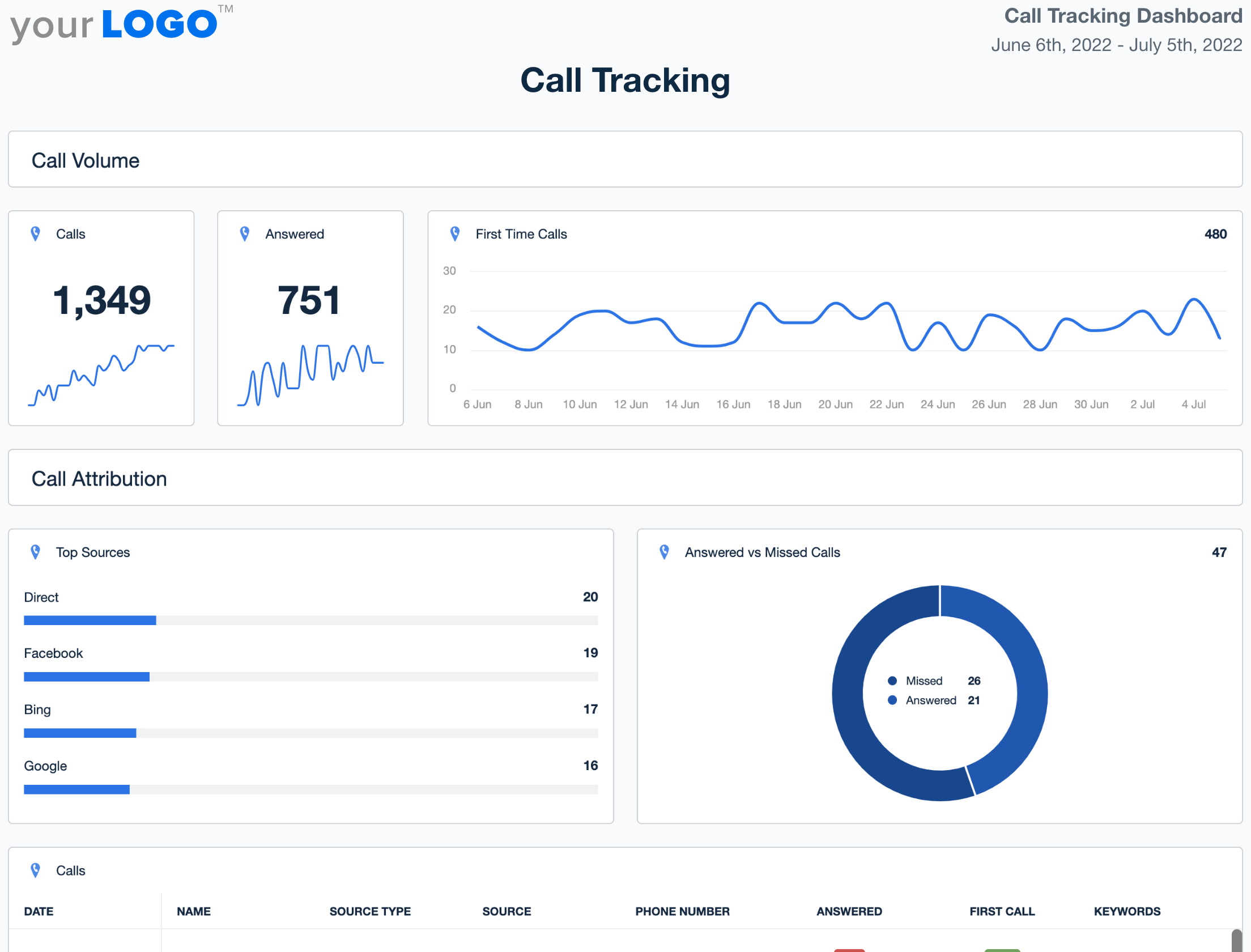
¶ Call Analytics
Track key metrics like call duration, frequency, and interaction patterns.
Useful for understanding customer behavior, optimizing agent performance, and measuring AI voicebot efficiency.
¶ CRM Integration
Automatically update customer profiles with call transcripts, notes, or outcomes.
This ensures your sales and support teams always have the latest information at hand.

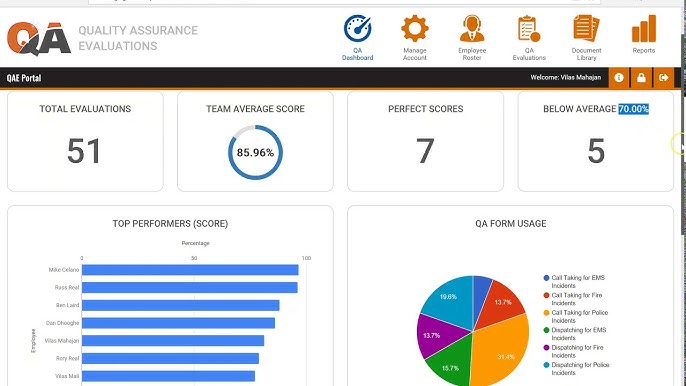
¶ Quality Assurance
Monitor AI performance, user satisfaction, and conversation quality.
Webhook data can be connected to dashboards or QA tools to spot issues early and continuously improve your conversational flows.
¶ Related Documentation
- AVR Core HTTP Web Service
https://wiki.agentvoiceresponse.com/en/avr-core-http-web-service